
Global tur prices may improve if India’s demand remains strong
23-Jan-2026 04:43 PM
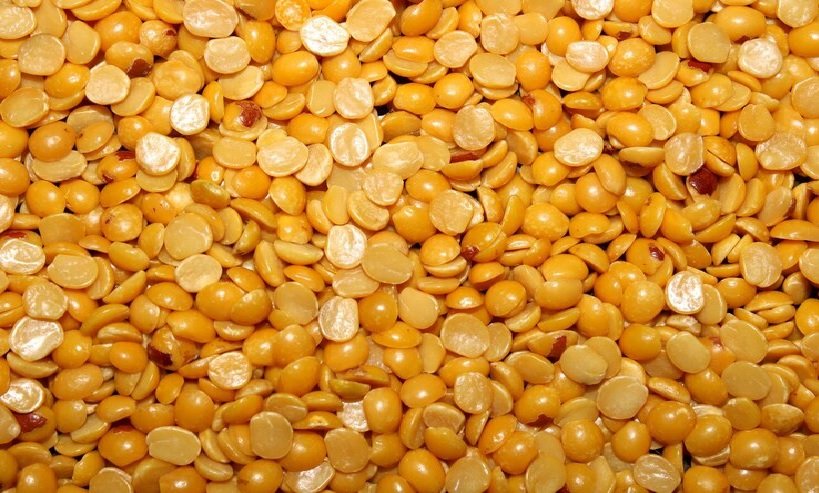
Yangon. Along with other agricultural commodities, pulses were discussed in detail at the South Asia Agri Forum 2026 organized by the India Subcontinent Agri Foundation (BSAF) in Yangon, Myanmar. The discussions covered tur (pigeon pea), urad, and yellow peas, among others. The tur panel also included an economic advisor to the Government of India. India is the world’s largest producer, consumer, and importer of tur.
Panelists at the forum said that weather conditions in Myanmar were not fully favorable for the tur crop this year, and as a result, production there is likely to decline by about 15 percent. Last year, Myanmar produced around 350,000 tons of tur, which is expected to fall to about 300,000 tons in the current year. However, carryover stocks are estimated at around 50,000 tons, similar to last year.
In India as well, production is expected to decline by 15–20 percent. According to trade analysts, if India’s demand remains strong, tur prices in Myanmar could improve in the coming period. Current tur prices are considered to be at relatively low levels. During the 2023–24 season, prices had once surged to a peak of $1,500 per ton, but have since fallen sharply to around $600 per ton. In Indian currency terms, the landed price of imported tur has declined from about ₹120 per kg to nearly ₹60 per kg over the same period. In view of this sharp correction, market participants believe that tur prices may see an improvement going forward.
On the African continent, production during the 2025–26 season was earlier estimated at a robust 1.3 million tons, but actual output reached only about 900,000 tons. This left a large gap of nearly 400,000 tons between estimated and actual production. As a result, global supply and availability of tur are not expected to remain very comfortable.
In India, government procurement of tur during the 2024–25 season rose to about 650,000 tons, and procurement in 2025–26 could also reach similar levels. Wholesale mandi prices of tur are currently trading below the Minimum Support Price (₹8,000 per quintal), and government procurement has already begun in major producing states.