
Improved Global Availability Keeps Rice Exports Stable
18-Dec-2025 08:42 PM
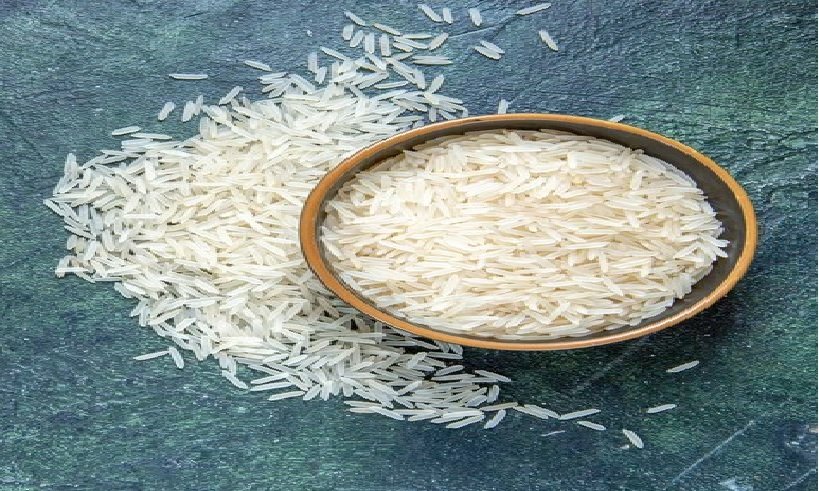
New Delhi. Indian rice exports are experiencing a period of stability due to various factors. Although the country has sufficient exportable stocks of this important food grain, and the Indian currency (rupee) has depreciated significantly, increasing its competitiveness in the global market, demand from importing countries is not as strong as it should be. Basmati rice is also facing some challenges.
The US has imposed a hefty 50 percent tariff on Indian rice, and Iran is currently grappling with an economic crisis.
A few years ago, Iran had become the leading importer of Indian basmati rice, but now imports there are very low.
As far as the US is concerned, basmati accounts for more than 80 percent of its total annual rice imports from India. However, overall rice imports there are low.
Exports of Indian basmati rice to the Gulf region and Central and West Asian countries are proceeding normally.
This includes countries such as Saudi Arabia, Iraq, the United Arab Emirates (UAE), Kuwait, Bahrain, Oman, Qatar, and Jordan.
Basmati rice is also imported by the European Union. Given the uncertainty in the US market, Indian basmati rice exporters have started exploring new markets and are hopeful of achieving good success.
The export performance of non-basmati or general category rice is generally satisfactory, and there is little likelihood of a decline in the future. Its export offer price remains at a competitive level.