
Indian Rice Exports See Marginal Increase
17-Dec-2025 03:41 PM
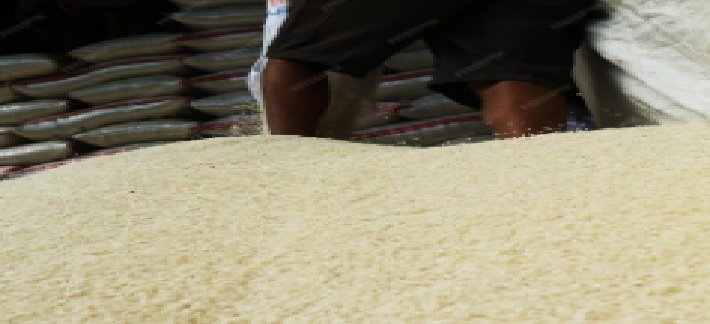
New Delhi. Indian rice exports have remained stable over the past few months. Total export earnings from rice reached $7.30 billion during the first eight months of the current fiscal year, April-November 2025, a marginal increase compared to 2024.
Factors such as high global stocks, better production in major producing countries, the economic crisis in Iran, and US tariffs have partially impacted Indian rice exports, resulting in weaker export offer prices.
According to data from the Directorate General of Commercial Intelligence and Statistics (DGCIS), Indian rice export earnings in November 2025 fell by 30 percent to $790 million from $1.12 billion in November 2024.
Total rice export earnings in April-November 2024 were recorded at $7.29 billion, which improved to $7.30 billion during the same period in 2025. According to official figures, a total of 198.60 lakh tonnes of rice were exported from the country during the entire fiscal year 2024-25, generating record earnings of $12.47 billion. The export offer price for rice was also high during that period.
According to industry analysts, many importing countries increased their stocks last year by importing large quantities of rice due to fears of escalating global conflicts and disruptions.
However, conditions have largely normalized this year, leading to reduced activity among rice importers.
The imposition of a high 50 percent tariff on Indian rice by the US in the last week of August is expected to have some impact, particularly on basmati rice exports.
The deepening economic crisis in Iran has also slowed down basmati rice shipments. Although the Iranian government had previously stated that importers would be allowed to import 180,000 tons of rice, a final decision has not yet been announced.
It appears that the Iranian government is not in a position to issue licenses to rice importers. Meanwhile, Basmati rice is being exported successfully to other countries in the Gulf region, including Saudi Arabia, Iraq, and the United Arab Emirates, and African countries are also purchasing non-Basmati rice.