
Likely Firmness in Tur Prices Due to Import Complexities and Festive Demand
04-Aug-2026 07:35 PM
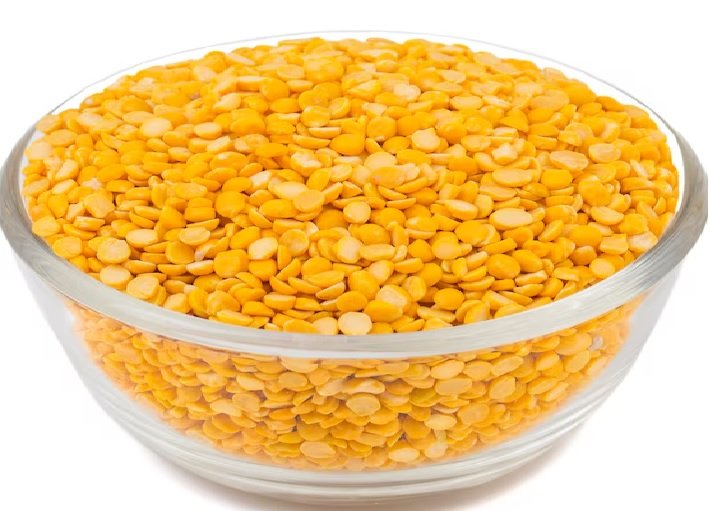
Mumbai: The sowing area for *Arhar* (Tur)—the most prominent pulse crop of the Kharif season—has witnessed a significant decline of 9 percent; the acreage has dropped from 38.44 lakh hectares last year to 34.91 lakh hectares this year. Weather and monsoon conditions in certain states have not been entirely favorable for the crop, leading to projections of a decline in upcoming production.
Imports of Tur from Myanmar into India are decreasing. Arrivals of new Tur stocks from African nations are expected to pick up pace soon, although production there might be slightly lower. India imports Tur from several African countries, including Mozambique, Malawi, Tanzania, and Sudan.
On the domestic front, the government reportedly still holds substantial stocks of Tur that could be released into the market if needed. However, farmers, traders/stockists, and pulse millers/processors are left with limited inventories. Anticipating weaker future production and rising prices, producers may try to hold onto their stocks and release them into the market only in small quantities. Furthermore, demand associated with the upcoming festive season is expected to emerge.
Tur prices are likely to remain somewhat firm in the near future, though a massive surge seems unlikely for now. While the arrival of the new crop is still a long way off and domestic demand is expected to remain strong, government-held stocks and imports from Africa could act as a check on any sharp price spikes. A lack of rainfall in parts of Maharashtra might force farmers to resort to re-sowing the Tur crop.