
Myanmar exports 7.7 lakh tonnes of urad in ten months
11-Nov-2024 09:09 AM
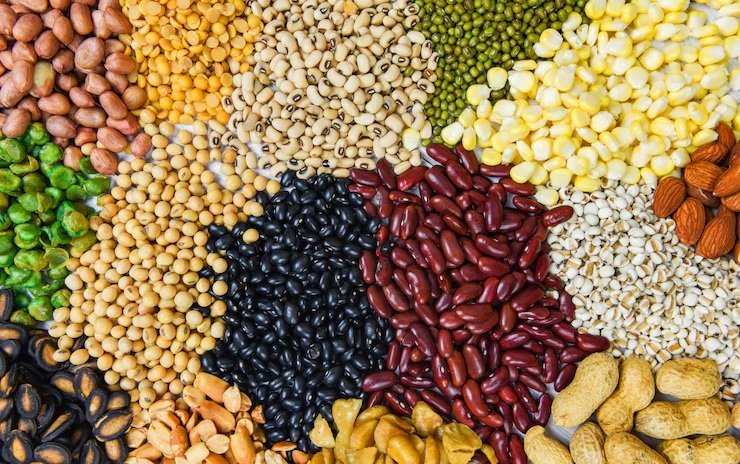
Myanmar has made significant strides in its pulse exports, with a total of approximately 7.78 lakh tonnes of urad, 2.79 lakh tonnes of tuvar, and 5.51 lakh tonnes of moong shipped out between January and October 2024. The majority of these pulses are exported to India, particularly the urad and tuvar, as the import of moong has been banned in India.
In October 2024, however, exports of urad and tuvar experienced a sharp decline compared to the previous month, signaling a decrease in Myanmar's exportable stock. Urad exports fell from 87,000 tonnes in September to just 62,000 tonnes in October, while tur exports plummeted from 35,000 tonnes to 11,000 tonnes during the same period. This was the lowest level of export for both pulses since January 2024.
Despite the October dip, the highest monthly export for urad occurred in May 2024, with 1.03 lakh tonnes shipped, and the highest for tuvar was 41,000 tonnes, also in May. The significant export volumes in earlier months demonstrate the ongoing demand, particularly from India, which is Myanmar's largest market for these pulses.
The reduction in exports in October suggests that Myanmar's stock of both urad and tuvar is depleting quickly. However, sowing of both pulses is still underway, with the tur sowing nearing completion and the urad sowing in full swing. This seasonal sowing pattern, coupled with a strong market presence in India, is expected to boost production levels and future export volumes.
A trade agreement signed between India and Myanmar in June 2021 ensures that India will import 2.5 lakh tonnes of urad and 1 lakh tonnes of tuvar from Myanmar each year until 2025-26. This trade deal, along with favorable sowing conditions, bodes well for Myanmar's pulse industry, and farmers are encouraged to expand their cultivation area to meet the growing demand.
Overall, while there was a slowdown in exports in October, Myanmar is expected to see a rebound in pulse exports as sowing progresses and production picks up in the coming months.