
No possibility of a huge fall in the price of big cardamom due to low production
29-Oct-2024 01:22 PM
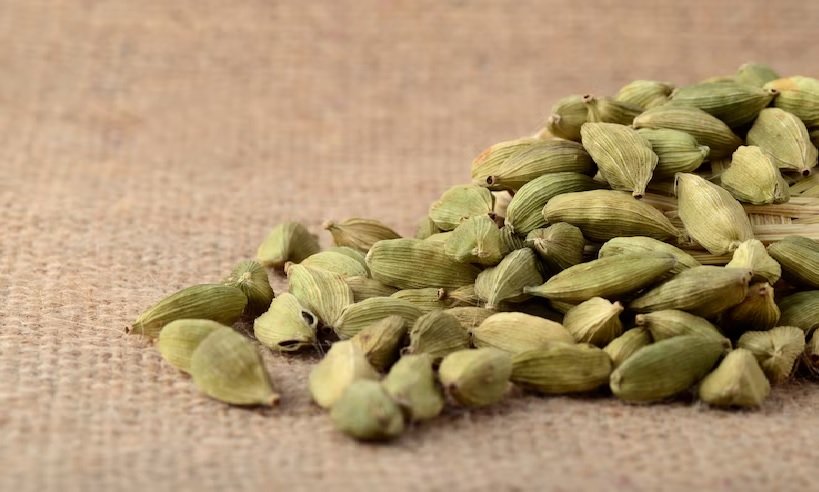
New Delhi. Due to the weather conditions not being completely favorable for the crop in the major producing areas of the eastern and northeastern region, the production of big (black) cardamom is expected to be 35-40 percent less than the normal level, due to which its prices in the domestic market may generally remain bullish and strong.
Big cardamom crop has also been estimated to be weak in other neighboring producing countries like Nepal and Bhutan and its price has also increased there.
As a result, its import in India is not considered economically profitable. The price of Kenchicut cardamom in the wholesale grocery market of the national capital Delhi is being reported to be Rs 1510/1520 per kg, whereas the cost of its import from Nepal is between Rs 1500/1600 per kg.
According to trade analysts, this is the third consecutive year when there are signs of a huge fall in the domestic production of big cardamom.
The first phase of plucking and preparation of the new crop has been completed in the major producing areas and now preparations are underway to start the second phase.
This phase is considered to be the most important in terms of quantity and quality. As a result, there is a possibility of an increase in the arrival of good quality goods in November while there will also be demand for Lagnasara. Due to this, the market can remain strong to a great extent.
One special thing is that the previous outstanding stock of large cardamom in India, Nepal and Bhutan is negligible because along with domestic consumption, there was also a huge export of it from there while the production situation remained weak.
Critics say that due to lack of strong support of the previous stock, the market may rise further in the coming months, but there will be a possibility of its demand being affected at very high prices.
Generally, it seems difficult for the prices of large cardamom to fall or rise sharply in the future, but normal fluctuations may continue.