
Presence of GM rice in Pakistani Basmati rice causes uproar in European Union
08-Aug-2024 05:35 PM
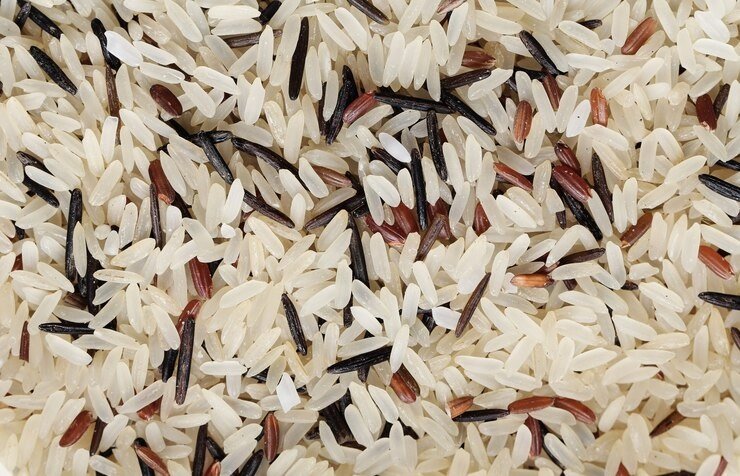
Hamburg. A consignment of organic Basmati rice was sent from Pakistan to Germany, a member country of European Union, in which the presence of GM rice was found.
This created uproar there. Releasing the Rapid Alert System of EU (European Union) Core Food and Seed, it was informed on 5th August that this consignment of cheap rice from Holland has entered Germany.
Later, when this rice was tested in a government laboratory of Germany, there too the adulteration of GM rice was confirmed.
It was also tested in the laboratory of Luxembourg. This has increased the threat to the export of Pakistani rice there.
After this incident, the hope of getting GI tag for Indian Basmati rice in European Union has increased.
If this happens, then only the long grain aromatic rice exported from India will get the recognition of Basmati in the European markets.
India had applied for GI tag there in July 2018 itself, which is still pending. Later, a petition was also submitted by Pakistan there.
It is worth noting that in June 2021, the presence of 500 tonnes of GM rice was also found in a consignment of rice exported from India,
but the difference between the two is that the Indian rice was not of the Basmati category while the Pakistani rice is of the Basmati category.
Once GM rice is mixed with normal rice, it is very difficult to clean it (separate it). It took 10 years to get rid of Liberty Link GM rice in the US.
According to experts, the reason for adulteration in Pakistani Basmati rice may be that Chinese agricultural scientists are trying to develop and produce GM rice varieties in Pakistan.
GM paddy seeds are being imported from China and other countries and the rice produced from it may have been mixed in the Basmati consignment.
The European Union is sensitive towards GM crops (products) and it may increase vigilance in the import of rice from Pakistan.