
Rice exports expected to increase tremendously
20-Nov-2024 01:05 PM
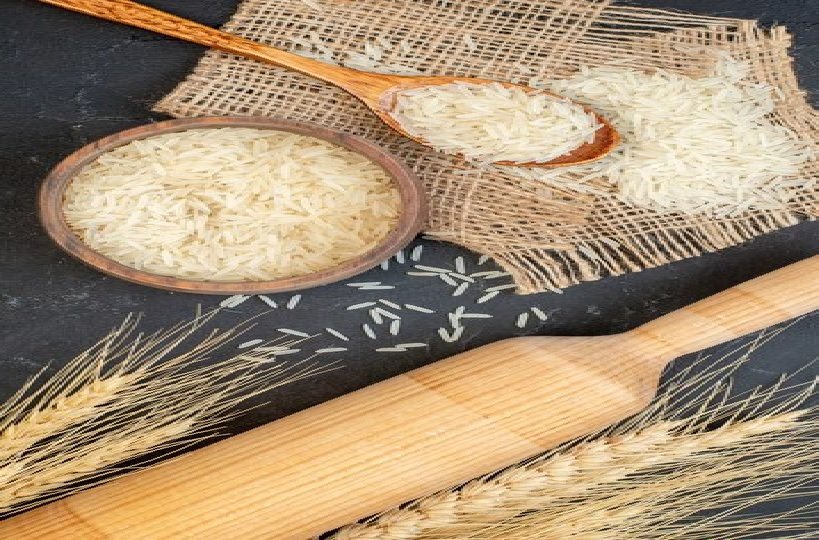
India is poised to see a significant increase in rice exports in the current financial year, driven by factors such as strong domestic production, competitive pricing, and growing demand from importing countries.
The export of both white (raw) rice, as well as Basmati and non-Basmati Sela rice, has been fully liberalized, with no restrictions, export bans, or customs duties in place.
Notably, the Minimum Export Price (MAP) requirements for Basmati rice ($950 per tonne) and white rice ($490 per tonne) have been removed, further enhancing the competitiveness of Indian rice on the global market.
The only remaining export ban is on 100 percent broken rice, which is no longer allowed for commercial export.
This shift follows a challenging period in the previous fiscal year (2023-24), when India's rice exports declined. This was due to restrictions like the ban on non-Basmati white rice exports in July 2023, the imposition of a 20 percent export duty on Sela rice in August, and the MAP for Basmati rice. These measures are now lifted, signaling a resurgence in rice shipments.
India’s share in the global rice export market fell from 41 percent in 2022-23 to 33 percent in 2023-24, but with the recent removal of export controls, the country’s share is expected to rebound to about 40 percent in the 2024-25 fiscal year.
This recovery is further supported by India's rice being seen as a highly attractive option for international buyers due to its competitive pricing.
In particular, the price of Sela rice has become more competitive after the removal of the export duty, contributing to increased export activity.
Likewise, Basmati rice exports are seeing a strong uptick, matching or even surpassing the levels of previous years.
If the government also decides to lift the export ban on 100 percent broken rice in the future, India’s rice export figures could see a dramatic boost, potentially surpassing the 200 lakh tonnes mark once again.
Latest News
- Sugar Production Season Concludes Ahead of Schedule
- चीनी के उत्पादन का सीजन नियत समय से पूर्व ही समाप्त
- Total Wheat Arrivals in Haryana Reach 77 Lakh Tonnes
- हरियाणा में गेहूं की कुल आवक 77 लाख टन पर पहुंची
- Canada Market Update – Chickpea, Lentil & Pea Markets: Limited Upside, Supply Pressure Persists (Prices in INR)
- कनाडा बाजार- चना, मसूर और मटर बाजार अपडेट: सीमित तेजी, सप्लाई प्रेशर बरकरार (रुपयों में कीमतें)
- EDIBLE OIL ENDING STOCK
- Rs 14.28 Billion Sanctioned for Procurement of Pulses and Oilseeds in Odisha
- उड़ीसा में दलहन-तिलहन की खरीद के लिए 14.28 अरब रुपए की मंजूरी
- News Capsule: India’s 5 Million Ton Wheat Export: Limited Impact on Global Market