
Strong Opposition to Easing Mung Bean and Maize Imports from Myanmar
04-Nov-2025 08:00 PM
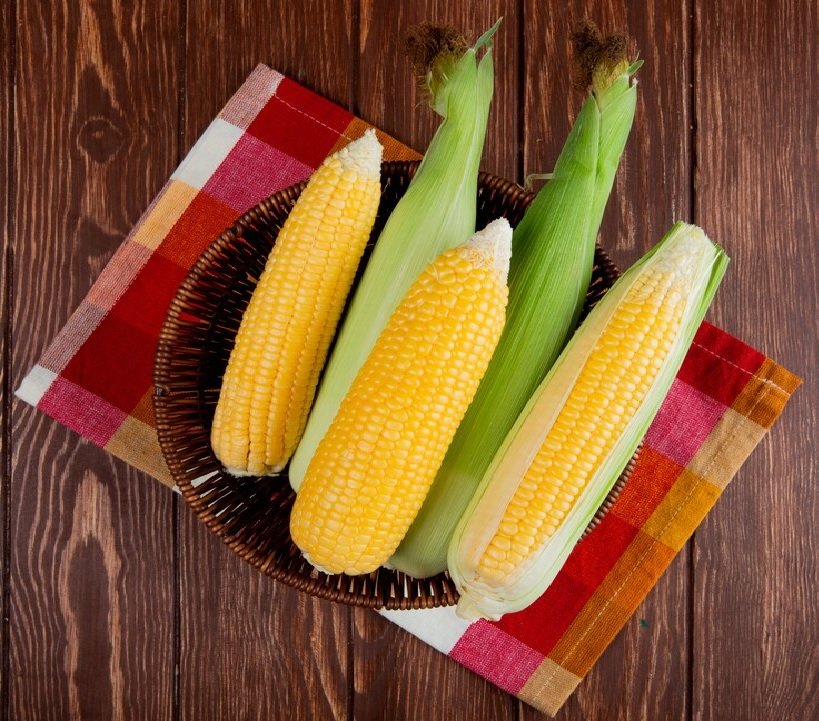
New Delhi. Abundant mung beans and maize stocks are impacting India's import policy. Many countries, including the United States, are keen to increase exports of mung beans, particularly maize, to India and are making vigorous efforts to do so, but the Indian government is completely unwilling to comply. Mung beans imports have been banned since 2022.
According to official sources, a ministerial delegation from Myanmar met with Indian officials last week and discussed issues related to pulses trade.
This includes the mutual consent agreement for pigeon pea and black gram, which is about to expire. Although Myanmar proposed including mung beans and maize in this agreement to encourage farmers to increase their production,
it is understood that India was not agreeable to this, as sufficient domestic production of mung beans and maize does not require significant imports.
In 2021-22, India signed a five-year agreement with Myanmar, which stipulated that India would import 250,000 tonnes of black gram and 100,000 tonnes of pigeon pea from Myanmar annually until the 2025-26 fiscal year.
However, India's imports of these two pulses from Myanmar continue to far exceed the quotas stipulated under the agreement.
The Indian government had already made the import of black gram and pigeon pea duty-free in May 2021, and this period has now been extended until March 31, 2026. India remains the largest buyer of black gram and pigeon pea from Myanmar. During the 2024-25 fiscal year, bilateral trade between India and Myanmar amounted to $2.10 billion.