
Unseasonal Heavy Rain Damages Groundnut Crop in Gujarat
03-Nov-2025 11:06 AM
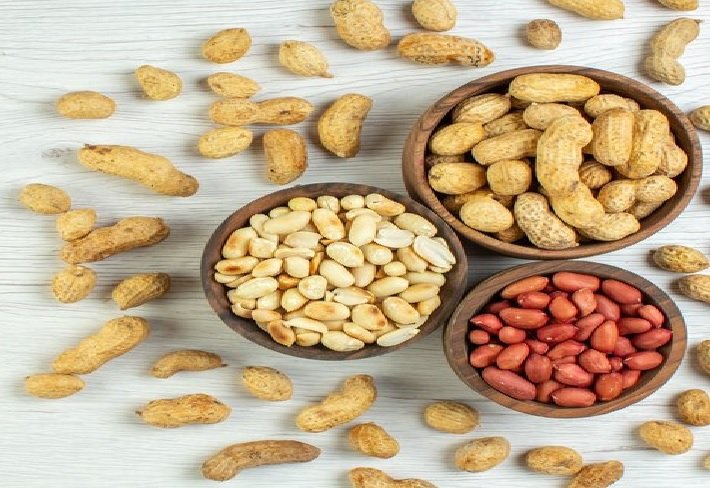
Rajkot: Gujarat, the leading producer of groundnut in India, has suffered heavy crop losses due to widespread unseasonal rains that lashed the state after the Diwali festival. The unexpected downpour has dampened hopes of an excellent harvest. Heavy rains occurred particularly in areas where the groundnut crop was ready for harvest or already being harvested. As a result, production is likely to decline, which may push up prices of both groundnuts and groundnut oil.
Typically, groundnut harvesting in Gujarat begins in mid-October and gains momentum in the first week of November. However, this year’s untimely rainfall has severely damaged the crop and affected its quality. In the Saurashtra region, heavy rain accompanied by strong winds flattened standing crops, causing pods to sink into the waterlogged soil. An official assessment of the total damage is currently underway.
Before the unseasonal rains, the groundnut crop in Gujarat was in excellent condition, and the state was expecting a bumper harvest. The sown area had increased significantly this year. The Gujarat government had projected over 6 million tonnes of groundnut production, while trade and industry estimates were around 4.5–4.6 million tonnes.
In Rajkot, the price of groundnut oil currently ranges between ₹2,380 and ₹2,430 per 15 kg tin, having earlier risen to ₹2,475 per tin during Diwali. With the arrival of new groundnut stocks in the market, prices had eased to ₹2,350 per tin, but the recent rains may reverse that trend.
Due to the weather disruption, groundnut harvesting and arrivals are expected to be delayed, with a pickup likely only after November 15. Analysts believe that if the rains continue, prices of both groundnut and groundnut oil could remain firm.
Gujarat produces groundnuts on a large scale in at least a dozen districts, most of which are located in the Saurashtra region. In Rajkot district alone, the sowing area has increased from 2.68 lakh hectares last year to 3.29 lakh hectares this season. Delays in government procurement and NAFED releasing its stock in local markets have further added to farmers’ difficulties.