
With the help of good monsoon rains, the area of Kharif crops increased in Maharashtra.
01-Aug-2024 03:16 PM
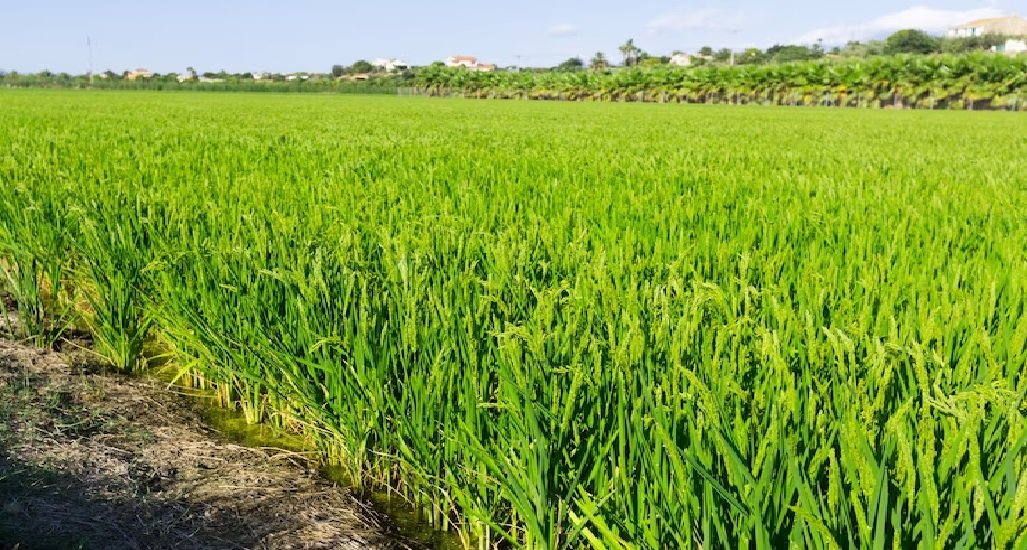
Mumbai. This time the southwest monsoon is especially kind to Maharashtra, due to which the farmers of the state are getting good success in increasing the sowing of Kharif crops.
According to the latest data released by the Maharashtra Agriculture Department, during the current year till July 29,
the total production area of Kharif crops in the state increased to 135.45 lakh hectares, which is 11.67 lakh hectares more than the sowing area of 123.78 lakh hectares during the same period last year.
According to the available data, during the current Kharif season, compared to last year, the production area of paddy in Maharashtra fell slightly from 9.32 lakh hectares to 9.11 lakh hectares, but the sowing area of sorghum improved from 99 thousand hectares to 1.01 lakh hectares,
the area of millet increased from 2.56 lakh hectares to 3.91 lakh hectares and the area of ragi improved from 37 thousand hectares to 46 thousand hectares. As far as maize is concerned, its area jumped from 7.40 lakh hectares to 10.52 lakh hectares.
In the pulses crop category, during the period under review, the production area of Arhar (Tuvar) in Maharashtra increased from 10.26 lakh hectares to 11.95 lakh hectares,
the sowing area of moong improved from 1.52 lakh hectares to 2.26 lakh hectares and the area of black gram jumped from 1.97 lakh hectares to 3.92 lakh hectares. It is known that Karnataka and Maharashtra are the two most important producers of Tuvar in the country.
In oilseed crops, the production area of soybean jumped from 46.73 lakh hectares last year to 49.37 lakh hectares this time and the sowing area of groundnut increased from 1.14 lakh hectares to 1.40 lakh hectares. There has also been some increase in the area of sesame.
Apart from this, the cotton production area in Gujarat has decreased from 40.79 lakh hectares last year to 40.49 lakh hectares this time. Maharashtra ranks second in the production of soybean, pigeon pea, sugarcane and cotton in the country.