
Need for Special Focus on Increasing Maize Production
30-Jan-2026 12:39 PM
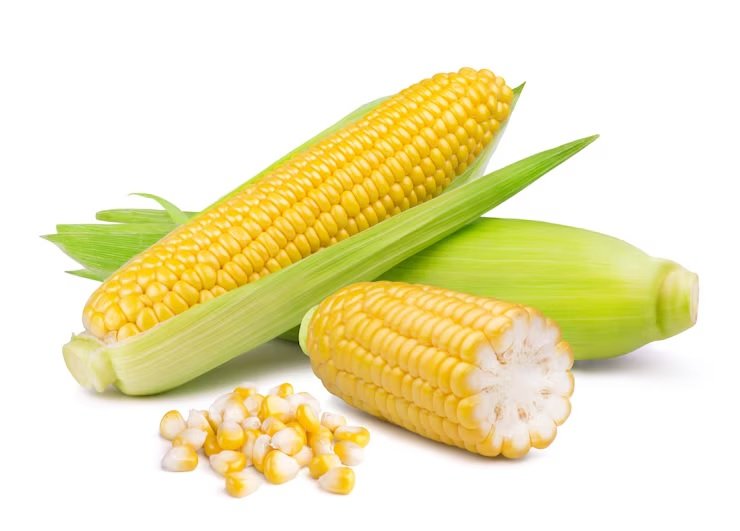
New Delhi. India, one of the world's leading countries in terms of agricultural economy, has so far primarily focused on the cultivation of rice and wheat in the food grain category to ensure internal food security.
The production capacity for both these food grains has almost been fully achieved, and the country no longer needs to import them. India has become the world's leading producer and exporter of rice, while it ranks second after China in wheat production.
Now, there is a need to rapidly increase the production of the third most important cereal crop – maize – as its demand and consumption are continuously increasing across various sectors and for diverse purposes. Meeting this demand may become difficult in the future. Compared to rice and wheat, maize requires less water for irrigation.
Interestingly, in terms of area under cultivation, India is the fourth largest producer of maize in the world after China, the USA, and Brazil, while it ranks fifth in terms of production. Along with the three countries mentioned above,
Argentina also produces more maize than India. While a vast area is under maize cultivation in India, the average yield rate remains quite low, resulting in insufficient production.
The average maize yield in India is 3.60 lakh tonnes per hectare, which is significantly lower than the global average of 4.90 tonnes per hectare. While there has been some improvement in the yield rate in recent years, continuous efforts are needed to further increase it.
In India, maize is consumed extensively for food purposes, as well as in the animal feed, poultry feed, starch manufacturing, and ethanol industries.
Increasing production is essential to meet this demand. Domestic maize production is estimated to reach 450 lakh tonnes this year, but continuous growth is necessary.