Home News
08-Oct-2026 08:16 PM
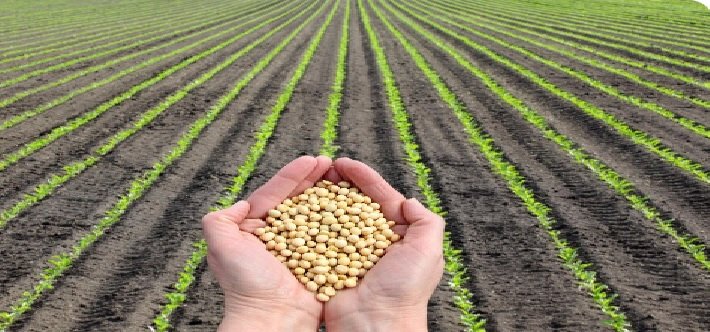
Uneven distribution of monsoon rainfall in Madhya Pradesh this year resulted in heavy downpours in some areas, while others received below-average rainfall. Farmers in rain-fed regions are reluctant to take risks with crop selection this season and are inclined to prioritize the cultivation of pulses and oilseeds over wheat. Notably, Madhya Pradesh is the leading producer of gram (chickpea) and lentil, and the second-largest producer of peas in the country. Sowing of Rabi crops is set to begin soon.
After Rajasthan and Uttar Pradesh, Madhya Pradesh is the largest producer of mustard. Indications suggest that the demand for pulse and oilseed seeds in the state will rise by 25–30 percent compared to wheat this season.
According to official sources, an average of 20–25 lakh quintals of certified seeds are distributed during the Rabi season; in normal years, wheat seeds alone account for 65–70 percent (14–16 lakh quintals) of the total distribution.
However, early indicators suggest that the total demand for wheat seeds could drop to 11–12 lakh quintals this time. The Malwa division (Indore-Ujjain) of Madhya Pradesh is a major hub for the production of macaroni and durum wheat, but a reduction in wheat acreage and an increase in the area under gram and mustard cultivation are expected there this season.