
Agricultural Exports Hit by Weak Monsoon and West Asia Crisis
20-Apr-2026 01:21 PM
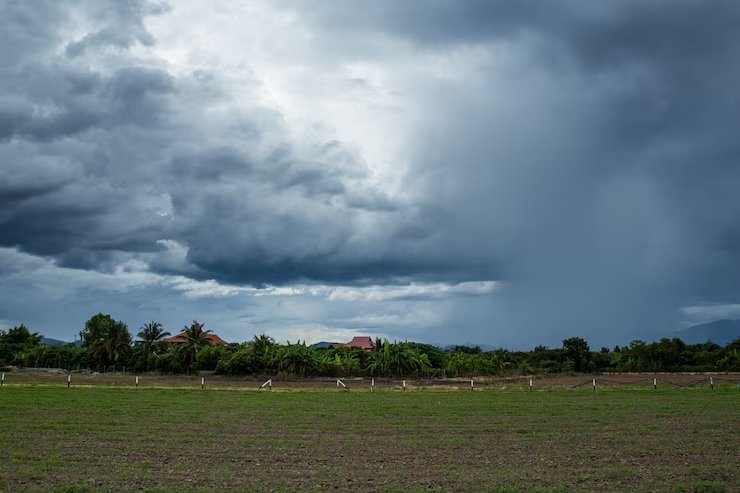
New Delhi. Due to the influence of the El Niño weather cycle, the Southwest Monsoon is likely to remain weak this year, while the ongoing crisis in West Asia shows no signs of abating. Concerns have arisen regarding the potential resumption of hostilities between Iran and the United States in the region. The Strait of Hormuz—a vital waterway—has once again been closed, effectively halting the movement of commercial vessels through the area.
The India Meteorological Department (IMD) has projected that rainfall during this year's monsoon season (June–September) is likely to be only 92 percent of the long-period average. Furthermore, the distribution of rainfall is expected to be uneven; this could result in heavy precipitation in certain parts of the country, while other regions may face drought-like conditions. Neither of these scenarios is conducive to the cultivation of Kharif crops.
Industry and trade analysts suggest that an atmosphere of significant uncertainty is likely to persist within the Indian agricultural sector throughout the current year.
This could adversely impact agricultural production as well as the rural economy. The repercussions are expected to extend to other sectors as well, raising apprehensions of a decline in the export of agricultural products.
It is noteworthy that India stands as the world's leading exporter of commodities such as rice, spices, guar gum, and castor oil, and ranks among the global leaders in the export of various other agricultural and food products.
The monsoon rainfall forecast issued by the Meteorological Department this time represents the lowest projection recorded in approximately the last 25 years—a development that has heightened the government's concerns.