
Consideration to reduce customs duty on import of soybean oil, lentils and apples from America
07-Mar-2025 04:44 PM
The ongoing discussions between India and the United States regarding customs duties highlight a significant trade issue, with both countries trying to resolve their differences. Here's a breakdown of the key points mentioned:
-
Customs Duty Dispute:
- The U.S. has raised concerns over the high import duties imposed by India on American goods, which has led to tensions between the two countries. The U.S. government has threatened to retaliate with higher duties on Indian products, which would come into effect from April 2, 2025.
- As a response, India is considering reducing or eliminating customs duties on important products like soybean oil, lentils, and apples from the U.S. This move aims to ease tensions and fulfill some of the U.S.'s demands.
-
Products Under Discussion:
- Soybean Oil: India imports a significant quantity of soybean oil, mostly from Argentina, Brazil, Canada, and Australia. Although it is already importing from the U.S., the American share in India's total soybean oil import is minimal. Current import duties on crude soybean oil are 27.5%, and on refined soybean oil, it's 37.75%. A reduction in these duties would likely benefit India, given the volume of imports.
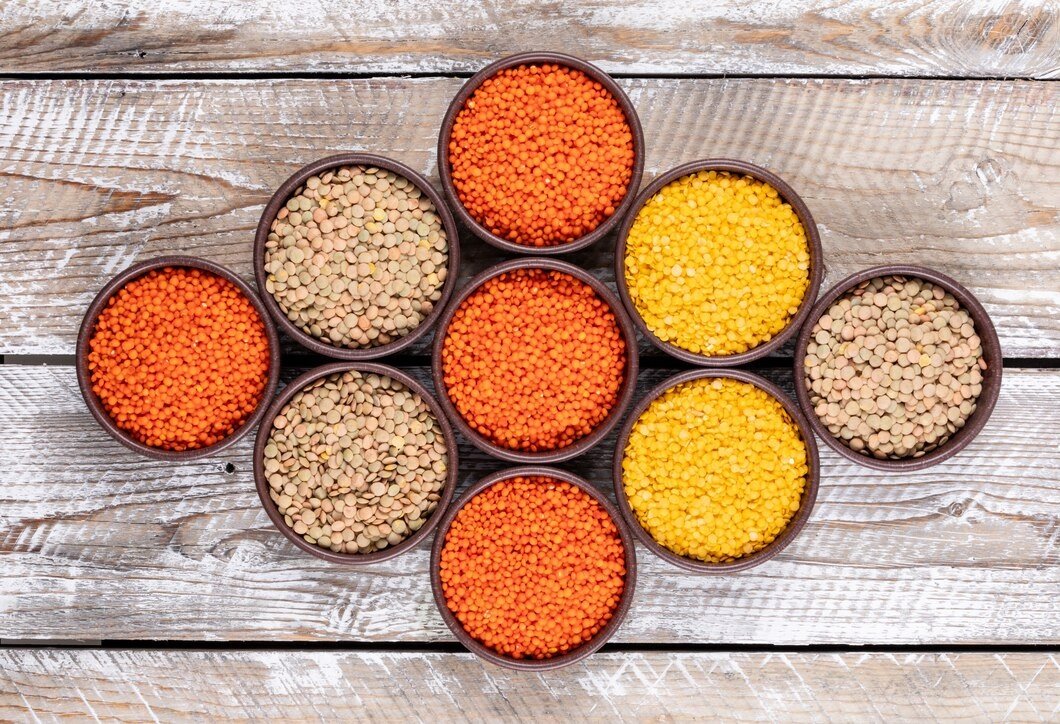
- Lentils and Apples: These products are also under consideration for duty reduction. Given the large volume of lentils and apples imported by India, reducing duties could make these imports more affordable.
- Poultry Products: India is not considering reducing duties on poultry products, likely due to domestic industry concerns or other strategic reasons.
-
Diplomatic and Economic Context:
- The U.S. has already imposed high duties on products from Canada, Mexico, and China, with the administration showing little willingness to offer relief to India. Additionally, the U.S. is also focused on high duties from countries like South Korea and Brazil.
- India, in return, seeks to address its own trade concerns, including asking the U.S. to re-recognize its Government Organic Certification Program (NPOP).
-
Trade Balance and Future Negotiations:
- Both countries are exploring ways to maintain a balanced trade relationship. If mutual concessions are made, the countries could arrive at an agreement that avoids escalating tensions further. Identifying specific products where the duty reduction won't harm India significantly is key to reaching a consensus.
This situation points to the importance of ongoing diplomacy and negotiations to prevent a full-blown trade war and ensure the continuity of business and trade between the two countries.