
Emphasis on Crop Diversification in Telangana Amidst Rice Production Surplus
18-Jun-2026 05:49 PM
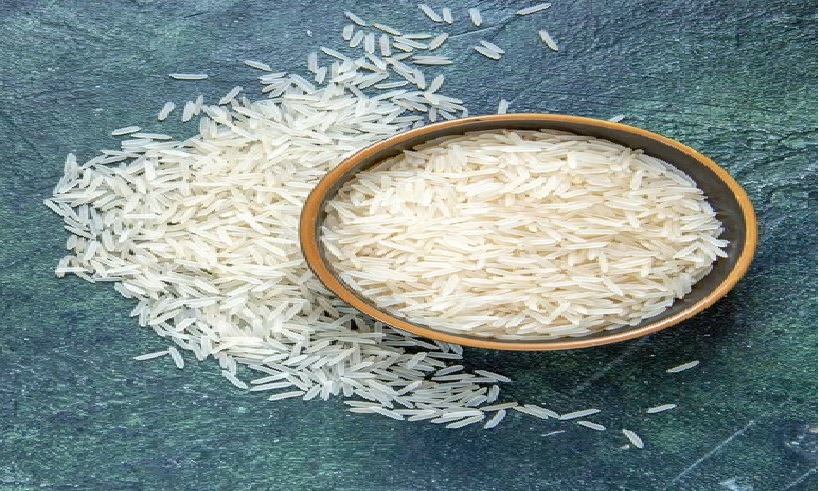
Hyderabad: There is now an urgent need for crop diversification in Telangana, a leading rice-producing state in South India. Over the past few years, the state has witnessed a massive surge in paddy production, and the issue of surplus stock has emerged as a serious challenge. Since Telangana was carved out of Andhra Pradesh as a new state in 2014, farmers have shown immense enthusiasm and interest in paddy cultivation.
The government is facing significant difficulties in managing the ever-increasing rice production season after season. Telangana is among the few states where paddy is cultivated on a large scale during both the Kharif and Rabi seasons, resulting in massive rice output.
Over the last decade, rice production in Telangana has nearly tripled. Paddy production, which stood at approximately 6.6 million tonnes (66 lakh tonnes) in the 2013-14 season, surged to 17 million tonnes (170 lakh tonnes) by 2024-25. Initially considered a rain-dependent state, Telangana later saw the construction of major dams and reservoirs, ensuring adequate water availability for paddy cultivation. Currently, Telangana ranks among the top three paddy-producing states in the country, contributing approximately 12 percent to the total national output.
During the period under review, the area under paddy cultivation in Telangana also expanded significantly, rising from 1.995 million hectares (19.95 lakh hectares) to 4.7 million hectares (47 lakh hectares). At present, the entire paddy cultivation area in the state is irrigated.
The completion of new irrigation projects and favorable monsoon rainfall have sustained farmers' interest in paddy cultivation; however, the average paddy productivity rate has remained largely stagnant.
The area under cotton and maize cultivation in Telangana has increased; however, the cultivation of pulses, oilseeds, sugarcane, and other coarse cereals remains limited to a small area. Emphasis is being placed on the need to expand the acreage for these crops.