
Europe Recognizes Sindh Province for Basmati Production
23-Sep-2025 06:17 PM
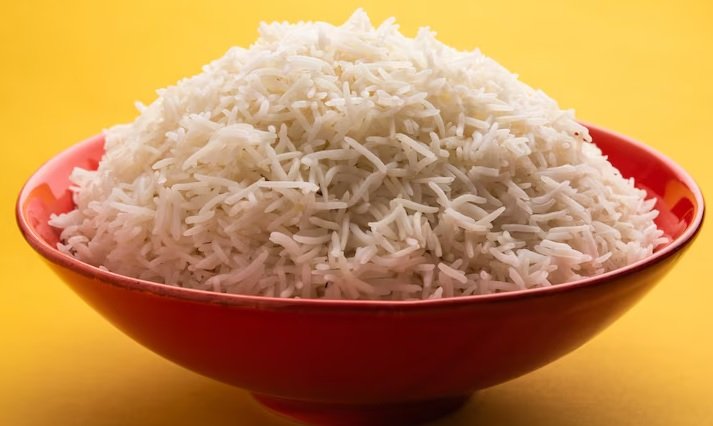
Brussels. In a significant development, the European Union has not only recognized the long-grain aromatic rice produced in Pakistan's Sindh province as Basmati, but has also announced its intention to allow its import. This decision is a significant blow and a significant setback for India.
It appears that the Europe is now siding with Pakistan in the ongoing dispute over the Geographical Indication (GI) tag for Basmati rice. Whatever its motives (including India's growing closeness to Russia), this is ominous news for the Indian Basmati rice industry.
The European Union has granted permission to Poland, one of its member countries, to import white Basmati rice called 'Super Basmati Kernel' produced in Pakistan's Sindh province.
It has also granted Basmati recognition to the long-grain aromatic rice produced in Sindh. Sindh rice has now been included in the latest publication of Pakistan's application for the GI tag for Basmati rice in the European Union.
This decision comes at a time when India's relations with Pakistan are at their lowest point. Pakistan is receiving support from abroad amid India's intensified campaign against terrorism.
According to a leading analyst, a regulation issued by the European Commission on September 23, 2003, stated that Basmati rice is produced in the Gangetic-Indus plains in India and Pakistan. It is produced in specific areas,
primarily Punjab, Haryana, Uttarakhand, and western Uttar Pradesh. The regulation was notified to specify which rice varieties would be granted import duty exemptions in the Europe.
The Federation of European Rice Millers, in its 'Europe Code of Practice for Basmati Rice', had said that after discussions with the All India Rice Exporters Association (AREA) and the State Exporters Association of Pakistan (REAP), it had decided to recognise certain varieties of rice grown in the Indo-Gangetic plains in India and Pakistan as Basmati.