
Indian rice likely to benefit from US tariff war with Mexico and Canada
06-Mar-2025 07:38 PM
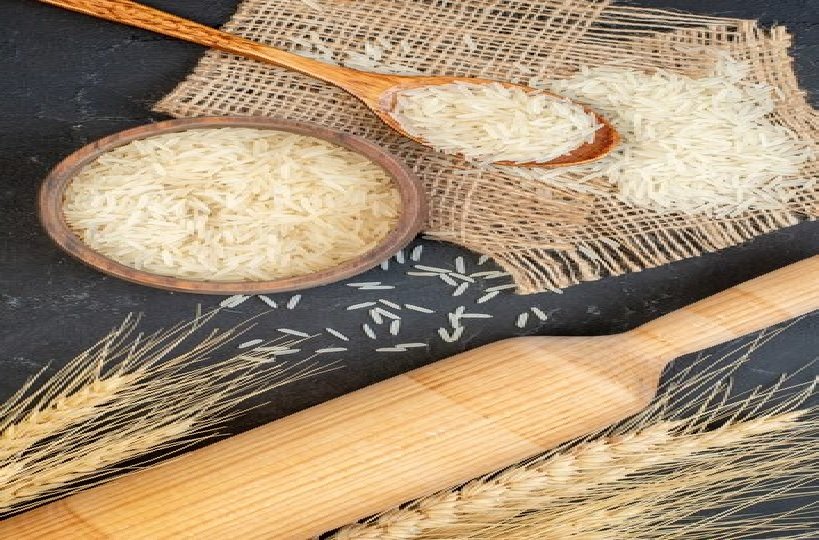
The article highlights an interesting development in the global rice market. The recent tariff imposition by the US on Mexico and Canada could inadvertently create an opportunity for India to expand its rice exports to these neighboring countries. Here’s a breakdown of the situation:
US Tariff Policy: The US has imposed a 2.5% tariff on products imported from Mexico and Canada. In retaliation, Mexico and Canada are likely to increase tariffs on US products, including rice, which could make American rice more expensive and less competitive in their markets.
Impact on Rice Exports: The US is a significant exporter of rice to both Mexico and Canada, sending 6.38 lakh tons to Mexico and about 2.5 lakh tons to Canada. If these countries impose higher tariffs on US rice, it could create a void in their rice supply, offering a potential opportunity for other countries, including India, to fill this gap.
India’s Advantage: India, being the largest exporter and second-largest producer of rice in the world, has a competitive edge due to its lower rice prices compared to the US. This price advantage could make Indian rice more appealing to Mexico and Canada, as well as other countries facing a rise in US rice prices due to tariffs.
Basmati Rice Demand in the US: While the import duty on Indian Basmati rice could increase in the US, the demand for this premium rice, primarily consumed by the wealthier demographic in the country, is unlikely to be significantly affected. This indicates that India's rice industry might still benefit from increased demand from other regions, even if tariffs on Basmati rise in the US.
Opportunities for Other Countries: While India stands to gain, other rice-exporting countries like Pakistan and Vietnam may also benefit from the shift in demand due to the US tariff policy.
In summary, while trade tariffs often disrupt international trade, in this case, they might offer India a valuable opportunity to increase rice exports, particularly to Mexico and Canada, as both countries look to diversify their rice imports in light of higher US prices.