
Production of pulses is affected by adverse weather conditions
16-Apr-2025 08:36 PM
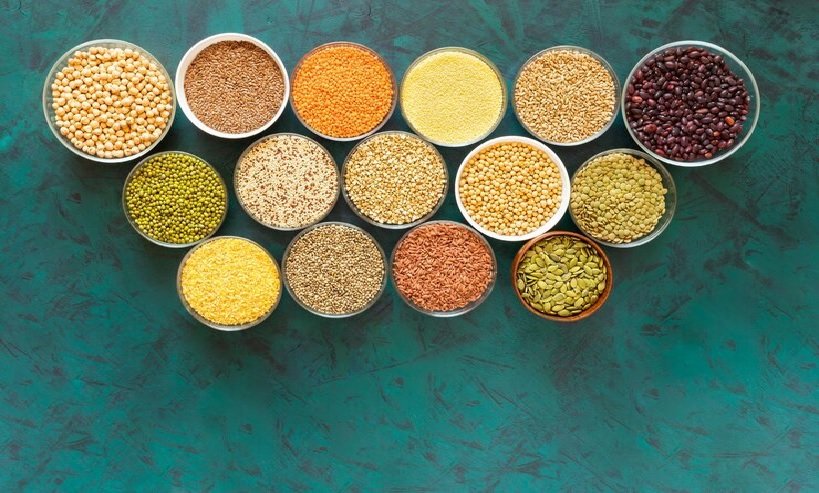
Vijayawada. Despite being the world's largest producer of pulses, India continues to rely heavily on imports to meet domestic demand due to inconsistent production caused by adverse weather and fluctuating yields.
Pulse crops such as gram, tuvar, urad, moong, lentil, and peas are grown across Kharif, Rabi, and Zaid seasons, yet production often falls short of expectations, resulting in significant import expenses and impact on the national economy.
India primarily imports urad and tuvar from Myanmar, lentils from Australia and Canada, peas from Russia and Canada, and desi gram from Australia and Tanzania.
Historically, pulse cultivation in India was rain-dependent and limited to less fertile lands, offering low profitability. However, recent years have seen improvements in support prices and market rates.
In 2023 and 2024, the prices of pulses in the domestic market remained high, encouraging better returns for farmers.
But in 2025, prices have again started to fluctuate, with tuvar, urad, and moong currently trading around or below the minimum support price (MSP). Similarly, Rabi pulses like gram and lentils have also seen a significant drop from peak prices.
As Kharif sowing season approaches, the government is expected to take active steps to support pulse procurement and stabilize the market.